Get Active: volunteer, experience, connect with the natural world

 
Get Active: volunteer, experience, connect with the natural world and put animal magic into your life! 

 RSS Feed

  1. If you're looking to do something different in 2019, how about volunteering for the Canal and River Trust?

    The Trust looks after and brings to life an incredible 2,000 miles of waterways and is a strong believer in making life better by water.  

    The 2,000 miles of waterways connect hundreds of wildlife habitat, which means it gives people the opportunity to get closer to wildife - and to help wildlife, as well.

    The Trust's environment team are always looking for ways to help waterways wildlife to thrive, to preserve habitats and to create new ones.  

    Volunteering for the Trust is a great way to get active, meet new people, make new friends and to do your bit!  And it's certainly something different to do with spare time!  Get outdoors, and make a difference.  There's nothing like spending time with others who want to do something positive for the community around them - it's a great feeling. 


    The Trust has a Spotter's Guide to Waterway Wildlife so that you can spot different species on the waterways.

    They are also appealing to people to feed ducks something better than bread - find out more about feeding ducks here.  They've even got a free duck-feeding guide but you need to sign up for it and they'll email it to you. 


  2. If you want a challenge in 2019, then how about volunteering with bears or elephants? 

    World Animal Protection have got a couple of terrific challenges.

    Volunteer with Bears for World Animal Protection

    Volunteer with Bears for World Animal Protection and help bears!

    World Animal Protection have a sanctuary for rescued bears.  Based in Romania, it provides rescued bears with a forever home.  They have suffered terrible cruelty.  This is a chance to contribute directly towards improving their lives and make things better for them.

    All you need to take part is energy and enthusiasm.  The registration fee is £295 and you need to fundraise (or pay yourself) £1,455.00,  

    You'll be doing things like helping to plant fruit trees, building an education trail for school children, making toys for the bears or fixing the boardwalk.  And you'll be able to sit back, chill out and watch the rescued bears as they enjoy life at the sanctuary. 

    Find out more here from World Animal Protection or....

    If elephants are your preferred species, check out their Elephant Adventure Trek.   

    Elephant Adventure Trek 2019 with World Animal Protection
    Elephant Adventure Trek 2019 with World Animal Protection

    Elephant Valley Thailand is a very special development for both elephants and tourists.   Tourists can see elephants behaving naturally and freely as part of a herd.  During your time at the sanctuary, you'll be involved in activities such as...

    • Maintenance of the grounds
    • Cleaning and food preparation depending on the sanctuary’s greatest need at the time
    • Plenty of observing and learning about the elephants at the sanctuary.

    But on this elephant experience, there's also time to go trekking in the jungle in search of wildlife and hidden waterfalls and take safari drives and visit wildlife hides to spot species such as gibbons, deer and macaques.   

    Again, there's a registration fee and fundraising pledges you make to do this, but what an opportunity to get active with animals and do something to help! 

    Find out more about the Elephant Adventure Trek in 2019.

    As always, please ensure you are fit enough to travel and do these experiences so read the info World Animal Protection provides and check with them & your GP. 


  3. Looking through the newsletter from the NAWT (the National Animal Welfare Trust), it had a very helpful cut out and keep guide to rabbit winter care.

    The NAWT operates 6 re-homing centres across the south of England in Berkshire, Bedfordshire, Cornwall, Essex, Hertfordshire and Somerset.  As well as cats, dogs, birds and field animals, they also have rabbits and guinea pigs looking for homes.  

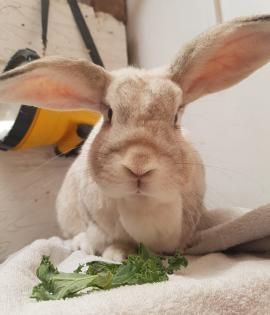
    At the time of writing this, Snowy was looking for a new home
    At the time of writing this,
    Snowy was looking for a new home
    Look at the rabbits and guinea pigs wanting a home here

    I hope they won’t mind but I’ve put some of their tips on winter bunny care which featured in the newsletter here:

    • Watch the weather – make sure you’ve got blankets at the ready to safely cover the hutch if we have another cold snap
    • Check the inside of the hutch for signs of leaks
    • Move the hutch so a sheltered position where there’s protection from the elements
    • Keep it off the ground to stop damp and cold
    • Make sure it’s the winter run is secure – foxes get hungrier in winter
    • Line the bottom of the hutch with blankets or newspapers in cold spells – you could even use a rabbit-safe heat pad for the colder times
    • Check bedding for damp patches so that the hutch stays dry
    • Watch your rabbit’s water bottles – they can freeze in cold weather.  Keep spares at the ready just in case.
    • Ask your vet if your bunny needs bigger portions in the winter months.

    If you get a chance, do hop off to visit the NAWT’s website

    There’s lots of helpful information there and also details on what to do if you or you & your company want to volunteer!   

    What's more, they've got some very helpful advice for young people who want to do something to help and really volunteer, which is great - there's lots of things that young people can do.

    They have some great products in their shop, including those fabulous cards from the Little Dog Laughed range – I love those, they are so clever.

    And if you’re looking for meaningful gifts for an animal lover, they have Animal Sponsorships – you can sponsor an animal for a year, feed an animal for a year and provide animal training and enrichment training for a year. 


  4. So the weather has really been very changeable here in Sussex - either so boiling hot that I didn't want to move, or very wet and windy indeed. 

    If you don't feel like doing anything because of the heat or you just feel like lazing about as the rain lashes against the window, here's a word search - Spot the wildlife

    There are 22 animals to find. 

    I hope you enjoy it, though you'll need to print the word search off to do it.  

    Spot the wildlife in this wordsearch

    Spot the wildlife in this word search! 


  5. The international charity have produced this delightful video with advice on how to Beat the Heat like a Moon Bear...


    Animals Asia's mission is to end the farming of bears for bile in Vietnam and China. to provide sanctuary for bears, end the suffering of wild animals in captivity and to ensure the humane treatment of cats and dogs.

    There's plenty you can do to help them in their mission, from donating to volunteering, attending events and spreading awareness. 

    Visit Animals Asia here - and beat the heat like a moon bear!


  6. There's a very inspiring story on the BBC website this morning which comes from the Canadian city of Toronto.

    The good people of Toronto have been working hard to make their buildings safer for birds.  The city sits on a major route for migratory birds - and many of those birds are flying into buildings and a good number of them are killed doing so.  They get confused by the glass and its reflections. 

    So they city has come up with five ways in which to make the windows safer for birds.  Since 2010, developers have had to meet bird safety standards. 

    1. Have less glass in new buildings (which also helps insulate the buildings better)
    2. Put markings on the glass so that birds can see it
    3. Recess windows to stop reflections
    4. Use shutters or sun-shades to hide glass
    5. Switch off lights so that birds aren't drawn to them

    Some older buildings have been made more bird safe as well.  In one case, 100 birds had been found to have died at a building.  Markers were put up to show the glass to the birds and since then, just 1 or 2 a year have been found, so it has made a difference.

    The more birds who make it to the northern forests to breed, the better for birdlife and for all of us. 

    Click here to fly away to the BBC's website to watch the video.


  7. TrustedHousesitters is a house and pet sitting website, connecting home and pet owners with trustworthy, verified sitters who care for pets for free in exchange for accommodation. The way it works is that sitters offer their help for free in exchange for a free retreat worldwide, so saving accommodation costs for them and pet care costs for homeowners. It's got homeowners registered in over 150 countries so it's fairly extensive


    Trustedhousesitters have come up with 10 reasons why a pet is better than a date on Valentine's night...

    1. A pet won’t stand you up
    2. A pet won’t order the lobster
    3. A pet is not embarrassed by a Public Display of Affection
    4. A pet won’t grumble about the film you choose on Netflix  
    5. A pet won’t veto your romantic songs playlist
    6. A pet won’t text its ex on your special evening
    7. A pet won’t moan you scrimped on champagne  
    8. You can bet you’ll get more likes for your Valentine’s pet-date selfie than the human equivalent
    9. With a pet, it’s always clear who’s paying
    10. A pet will suspend all judgement because they just want to be with you


    And with Valentine's Day on the way, TrustedHousesitters has come up with a new way to match animal lovers with pets who need their care and create the right match! 


    It's called #FurryValentine. Users complete a free, short questionnaire so that TrustedHousesitters can understand what personality type you are. The site’s algorithms use the data to propose pet sits across 130 countries, matching your lifestyle, interests and animal experience

    Click here to take their questionnaire!


  8. A few years ago, I volunteered for Cats Protection.

    It was a wonderful thing to do and I loved it.  The cats were appreciative, so were the staff.   Yes, there were times when I came away and shed a tear;  but I used to tell myself that the cats needed practical help, not my tears.   Tears don't change anything, I'd say to myself;   practical help will.

    There are many different ways you can get involved and make a difference to cats and kittens all over the UK.

    Cats Protection is the UK's largest cat charity.  They help about 200,000 cats and kittens every year, thanks in part to a network of over 250 volunteer-run branches and 32 adoption centres.  And there are also charity shops, too.  There are about 10,000 volunteers across the UK - that's a lot of cat lovers!  

    Find volunteer opportunities with Cats Protection here

    Volunteering is a great way to make new friends who also care about cats... 

    Click here to pounce on volunteer opportunities with Cats Protection

    They include:

    Cat care and welfare - hands-on roles with cats
    Committee members - leading and managing roles
    Education - inspire & educate
    Fundraising - raise money for cats
    General admin and support
    Publicity & Communication - spread the word for cats
    Retail - a role in a charity shop
    Volunteer management

    So there's lots to do!  

    If you're looking to do volunteering for your Duke of Edinburgh Award, click here


  9. Hedgehogs are going through a rough time. 

    Since 2000, The People's Trust for Endangered Species estimate that we've lost 1 in 3 of the hedgehog population. 

    We had quite a surprise recently when our dog brought us a hedgehog late one evening.   We put him into a box, with a towel and some water, and put him into a darkened quiet room away from everything.  The following morning, we called the British Hedgehog Preservation Society for advice.  They were very helpful, and later that night we released our hedgehog into the garden.  Two days later, he - or she - had a hedgehog house!  

    So I was very pleased when I heard from Clive Harris, a fellow hedgehog lover.  Clive writes a gardening blog and he is passionate about hedgehogs. 

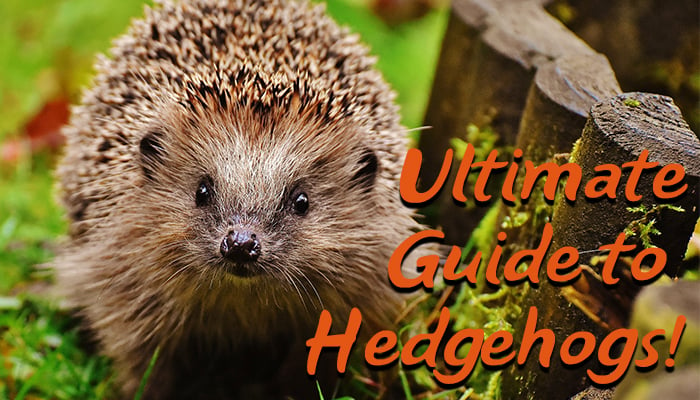
    Clive has written the Ultimate Guide to Hedgehogs.  It's a mine of information - do take a look.  There's information on where hedgehogs live, what they eat, whether they have any predators, whether they hibernate and how they help the garden. Also there's information on how you can help them, when to rescue them - and even how to pick a hedgehog up!

    Click on the hedgehog below to go to the Ultimate Guide to Hedgehogs. 

    Click here to see the Ultimate Guide to Hedgehogs

    And if you're looking for a gift for a hedgehog lover, why not give them a "Become a Hedgehog Helper" Gift Certificate with the East Sussex Wildlife Rescue and Ambulance Service.  They can spend a morning spend the morning working at WRAS feeding and cleaning the hedgehogs, getting to handle some of them, as well as learning more about these fascinating creatures. Find out more here

  10. Tuesday 11 July at 9pm

    I've just switched over to watch "The British Garden:  Life and Death on your Lawn" on BBC Four.

    Chris Packham and a group of experts from London's Natural History Museum  scrutinise the wildlife in gardens on a surburban street in Welwyn Garden City.  They do this for one year.

    Switch on to BBC Four to watch this 90 minute special.   It shows a world full of wildlife with snails, worms, foxes, woodlice and frogs.  It asks questions such as "are lawns any good for wildlife?"  (The wild garden lawn has 3 times as much insects - even letting our lawns grow a few inches helps.) 

    So to help wildlife, stop mowing all your grass and let some grow long.