Get Active: volunteer, experience, connect with the natural world

 
Get Active: volunteer, experience, connect with the natural world and put animal magic into your life! 

 RSS Feed

  1.  


    If you love nature and wildlife, and want to discover more about wetlands in particular, please take a stroll around the Wildfowl and Wetlands Trust’s website and especially their Discover Wetlands pages.

    The Wildfowl and Wetlands Trust (WWT) is the UK’s leading wetland conservation charity.  And they are working "to create a world where healthy wetland nature thrives and enriches lives."

    There’s lots to discover and learn about wetlands from their website and there are things to do, for all the family – and this is a great chance to boost your knowledge about vital wetlands and what they are and why they are so very important.  Sadly, they are often overlooked and seen as “wasteland” but they are critical for both wildlife and people and the good of us all.

    Amongst the  things to do, you’ll find a series of Make it videos.  They are all short in length and easy to follow, and they give you lots of ways to encourage wildlife to your garden so that you can help all garden wildlife. 

    Make it with help from the WWT
    Make it with help from the WWT - they have got some great videos to help you!

    The WWV videos show you how to make things such as...

    • A mini pond
    • A toad hall
    • A LEGO bird table
    • A bird feeder
    • Yoru own binoculars
    • A bird hide
    • A water cycle in a jar
    • Your own t-shirt bag
    • An upcycled bird feeder
    • A bug hotel
    • Eggy cress aniamls
    • A nature star

    They all come with an activity sheet in PDF format that you can download, too

    The Discovery Wetlands pages also have quizzes you can do plus for teachers and parents (or I presume anyone who would like to do it), there’s a 12 week home-learning programme with everything you need to teach key science and geography topics at home!

    Don’t forget that the WWT has a number of different wetland centres you can visit around the UK – you can find the one closest to you here.

    Help our wetlands!  They need your support

    Please, please may I urge you to respond to WWT's call to give the creations of wetlands our support? Wetlands Can is asking for all our support (signatures) for the creation of 100,000 hectares of healthy wetlands – including in urban areas – to help fight today’s wellbeing, climate and nature crises.

    Please pledge your support today for wetlands here

    Find out more about Wetlands Can here

    Pledge your support for Wetlands Can here
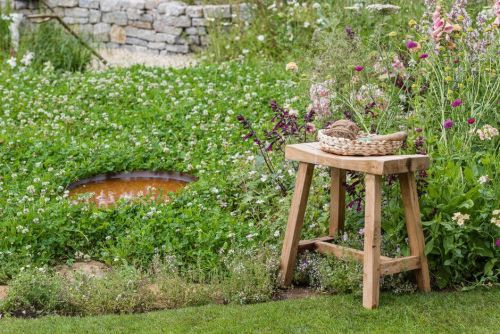
    Images on this blog entry ©WWT


  2.  

    We have done lots of things to encourage wildlife into our garden in the last few years and we've been rewarded with lots of different species of birds.   We've also had a frog or two, and bees and butterflies, dragonflies and a couple of hedgehogs.  

    Our neighbour is very good with identifying different types of birds and says he's spotted over 60 species of our feathered friends in the neighbourhood which is really good to hear.


    Rewild your garden with tips from Springwatch
    Rewild your garden with tips from Springwatch

    So far, in our garden we've....

    • Put up a log pile (or more accurately, we've put a pile of logs in a quiet corner which the insects seem to like
    • Put out a hedgehog house with a water bowl (also in a quiet corner so that the hedgehogs can have some peace)
    • Stuck up a little bee house and a butterfly hotel
    • Planted lots of flowers for wildlife - ones the bees and butterflies will LOVE!
    • Put out two or three bird feeders
    • Dug out a very small wildlife pond which we did in lockdown.  
    • Let our garden overgrow in some parts and let the lawn grow, grow, grow

    We love looking out of the window to see who is in the garden paying a visit and I'm sure there's more we can do to encourage the wildlife.  

    The Erysimum 'Bowles's Mauve' is great for pollinators

    Top 10 patio plants for bees

    If you're looking for hints and tips, and ways to get started, a great place to start is the RHS website.  They have a particular section of the site for wildlife gardening and however much you have done already or want to do, there could be something there to spark off an idea or an activity.

    Head off here to see their section on Wildlife Gardening.  Take it a step at a time;  it's the sort of thing you could do a step a month.

    By the way, you could do something as simple as pot a plant for pollinators - just get a pot and stick some bee and/or butterfly friendly flowers in it.  All you need is the pot, soil, compost (and you can make your own) the seeds and a small space, so it's very easy to do.


  3. Want to make a difference to wildlife?

    One way to do this is to take part in surveys.   They give conservation charities a really good idea of what is happening across the country – so the more people who join in the better.  You don’t need to be an expert, just to take part.

    Building up a picture of wildlife on our doorsteps help us tell if a species is in trouble and needs help.   For example, thousands of wildlife watchers have helped identify the loss of hedgehogs over 20 years.  Like the RSPB’s Big Garden Birdwatch, which has run for over 40 years now, surveys give a lot of local information which give great value to wildlife conservation because of the picture they build up.

    It’s time for the PTES Living with Mammals Survey!

    The 29th March 2021 saw the launch of this year’s Living With Mammals survey.  All you need to do is to record the mammals you see every week and any signs they leave behind, such as footprints or droppings.

    Spotting wild mammals, a PDF from the PTES
    Spotting wild mammals, a PDF from the PTES
    image © PTES

    You can choose any green space to survey.

    It could be a garden, an allotment, a local park or any other area that’s convenient to spend a little time in each week.   The site must be within 200 metres of a building.

    You can share your photos online using #LivingwithMammals

    PTES who run the survey aren’t asking people to survey public areas, but to survey in gardens and other private land.  If you’re not sure about whether to take part in surveys during COVID-19, check government guidelines and then decide if it is right and proper and safe for you to take part.

    Register here (it’s free to do this and there’s the most gorgeous picture of a fox waiting for you)

    Survey tips and hints are here such as when and where to look, tracking signs so you can work out who is who, a note on wildlife cameras and more.   Mammals are typically more active at sunrise and suntset.   Check walls, hedges, fences, grass verges and field margins – they all provide cover for mammals.

    There are mammal fact files here.   Doing a survey is a great way to find out more about wildlife!

    You can see the results of past surveys here – Living with Mammals started in 2003!

    Visit the PTES website for more information


    Give local wildlife their own wildlife corridors

    PTES point out that connecting our gardens and patches of green such as grass verges and local parks enable animals to move between different features.  Make a CD sized hole in the bottom of a fence can really help them journey from one place to another – their own sort of motorway network, a wildlife corridor, if you like.  These can certainly help animals such as hedgehogs.   Visit Hedgehog Street, a campaign run by PTES and the British Hedgehog Preservation Society for more information..

  4.  

    Love donkeys and horses?   

    If you do, just take a moment to imagine them walking mile after mile, every day. 

    That’s the reality for many working horses, donkeys and mules who work tirelessly, around the world. 

    The Brooke reach over 1.5 million working horses, donkeys and mules across Africa, Asia, Latin America and the Middle East and help them.  

    Step in their Shoes and raise funds for the Brooke so that they can help hardworking horses, donkeys and mules

    If you do and want to do your bit to help them, please take a look at The Brooke's Step in their Shoes Challenge and take on the 100 mile challenge to raise essential funds to support the working animals they care for every day. 

    The Brooke is asking us all to walk 100 miles (not in one go!) at some stage this year. 

    There is no set time limit for the challenge;  you can do the 100 miles however you like – walking, wheeling, running or cycling, whatever!  If you have a dog, you could include your daily dog walking in your 100 miles!

    Register, and a fundraising page will be set up for you - you just need then to share the link with your family and friends and ask for donations.  The Brooke is asking us to raise £100 or as much as you can. 

    If you can't do the challenge, why not donate or sponsor someone? 

    Visit Step in their Shoes' website here

  5. Did you see Hugh Fearnley-Whittingstall’s programme on BBC2 on Saturday afternoon?  

    It featured a number of exciting wildlife projects, and among them were a group of volunteers who go on Toad Patrol.

    In short, volunteers on Toad Patrol help toads cross busy roads safely.

    Common toads have very special wants when it comes to choosing where they breed.  They often go back to their ancestral breeding ponds every year.  And they cross the same route – which can lead them across roads.

    Have you thought of volunteering for a toad patrol?
    Have you thought of volunteering for a toad patrol?
    image copyright to Froglife.org

    Of course, they are crossing the roads as cars and lorries are passing through them. There’s no need to tell you who comes off worst.

    Enter the Toads on Roads project. 

    It registers these sites as migratory crossings and it also helps organise local toad patrols.

    A patrol can apply to local councils for road warning signs to be put up and help toads cross. 

    Toads on Patrol has now been going for 20 years and there are many crossings around the nation.

    How would you like to volunteer to join a Toad Patrol?

    You can volunteer as much or as little as you want – but you need to be committed and enthusiastic, and willing to turn out in the evenings in wet weather.  Migration can run from as early as January to as late as April so you’re going out in the dark in wet and cold weather for much of the time

    That said, this is a great opportunity to: 

    • Help toads
    • Meet like minded people who want to make a difference
    • Do something different with your evenings

    If you’d rather be inside in the warm, you could always donate to support Toads on Patrol.

    Find the Toads on Patrol nearest to you.

    Find out about becoming a Toad Patroller – and there’s an information pack here.


    Be a Reserve Warden for the Day Experience, available from Froglife.org

  6. Baker Ross have up to 34% off their  creative animal world collection so that you can keep the kids entertained with a range of farm animals, jungle animals, sealife and more!

    Gallop off to Baker Ross now


    Baker Ross cover all sorts of animals – sloths, llamas, rats, pigs, hedgehogs, farm animals, blue tits, koalas, chickens, snakes, woodland animals, dogs, bats and mice! 

    This offer ends on 10th May 2020, so take a look at their amazing animal craft collection today!


  7. The  Government has just created 41 Marine Conservation Zones, stretching from Northumberland in the North East to Norfolk, to the Isles of Scilly and beyond.  These will help marine life recover and thrive in protected areas.

    A group which was important in gathering the information to help decide which areas should be protected was that of volunteer divers.

    They are members of an organization called Seasearch.

    Seasearch is a project for volunteer scuba divers who are interested to find out and discover more about what they see under water.  They also want to help protect the marine environment around the coastlines of Britain and Ireland.


    Seasearch divers record what lives in each area, and establish the richest sites for marine life.  They also pinpoint sites where there are problems for marine life – and those areas which need protection.  Visit their Recording page for more information.

    These findings helped the government decide which marine areas should be protected. 

    So if you enjoy scuba diving and want to make a difference, take a look at Seasearch.  My husband did one of their courses and really enjoyed it.

    Here’s a list of Seasearch groups around the country.


  8. I’m putting a more sombre touch to this website today to give some time and thought to all the animals and peoplel who have been killed or injured by war.

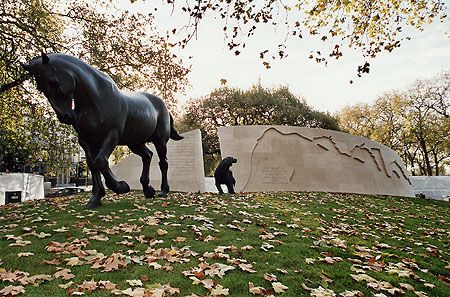
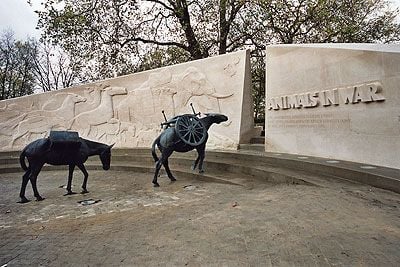
    If you’re in London, one thing you could visit is the Animals in War Memorial at Brook Gate, Park Lane, (map here) on the edge of Hyde Park. It’s on the edge of Hyde Park . 

    The Animals in War Memorial was created to remember and pay tribute to all the animals who’ve served with our Forces in the wars and conflicts of the 20th century.   They served, suffered and died alongside British, Commonwealth and Allied forces and deserve to be remembered. 

    They had no choice


    Horses, mules, donkeys, dogs, pigeons, cats, elephants, oxen, bullocks, canaries and even glow worms served in the wars.

    They had no choice.

     The Animals in War Memorial is a tribute to all those animals who have served, suffered and died in war

    The Animals in War memorial is a beautiful tribute to them, but if only the wars had never happened, so much suffering and death could have been avoided for millions of animals and people.

    Today on D-Day, let us remember them.


    Visit the Animals in War Memorial’s website to find out more here


    For charities helping animals affected by war, please go to AnimalsCharities.co.uk


  9. So here’s a new version of the Tug of War game.

    This time, it’s between two donkeys and it involves a Wellington Boot.

    Who will win?   Wiggins or Harry?


    You'll find this video on You Tube here 
    ©Redwings Horse Sanctuary

    The donkeys live at the Redwings Horse Sanctuary.  The sanctuary rescues abandoned, mistreated and neglected horses and donkeys from across the UK.  IT gives them a safe place to live and provides all they need for life long care, including veterinary treatment and rehabilitation.   Crucially, it also educates current owners and future generations about the value of horse welfare. There are about 2,000 animals at Redwings, all being looked after.

    The sanctuary has 5 visitor centres in Norfolk (there are 2 there), Essex, Warwickshire and Scotland.  If you love donkeys or you’re mad about mules or want a cuddle with a Shetland, take a look at Redwings’ visitors page to find out more.  It’s free to visit (but you can always donate on your way out to help the sanctuary look after these wonderful animals. 

    Can’t visit?  That’s okay! 

    There are plenty of ways to help support Redwings Horse Sanctuary - here are just a few of them.

    CANTER SWIFTLY AWAY TO
    REDWINGS HORSE SANCTUARY’S WEBSITE


  10. Have you got 20 minutes to spare?  If so, the British Trust for Ornithology need some help!

    They are running a Tawny Owl Survey and they need as many people as possible to exercise their ears and listen out for these beautiful animals.

    All you have to do is listen for just 20 minutes during at least one evening between now and 31 March 2019.  You’re listening for the beautiful Tawny Owl, and you don’t have to have a garden – you can lie in bed and listen for the Tawny Owl or head to your local park or woodland. 

    Even if you don’t hear anything, that will help.   Every survey answer helps, even zero.  The video below from You Tube shows you what to listen out for.


    You can listen for their hooting and kee-wick calls between sunset and midnight.   You need to let the BTO know the date, start time of your survey, estimated cloud cover and whether or not you hear an owl!

    If you hear a Tawny Owl at another time of the week outside the survey, you can record that as well, and you can record your weekly results online.

    It will be even more helpful if you can repeat your survey in the weeks leading up to 31 March 2019.   The more weeks you can listen the better – gaps between them don’t matter – but do as many weeks as you can.

    If you enjoy taking part you can repeat your survey in subsequent weeks. The more weeks that you can listen the better, but you can do as many or as few weeks as you are able. Gaps between weeks don't matter.

    Download the instructions here.

    If you'd prefer to record on paper recording sheets rather than use our online system, you can - email us at [email protected] or call 01842 750050.