.
Have some fun, says Chico
Get Active
with Animals

Tips to help you start exercise

 
The British Heart Foundationrecommends that we all build up to 30 minutes of moderate walking 5 days a week to keep our hearts healthy.  It has lots of helpful tips on how to start exercise.  

If 30 minutes all at once sounds like too much, start with a gentle 10 minute stroll, or five minutes - whatever your body & you feel comfortable with.  Aim to build up to those 30 minutes gradually.  Walk every day, or at least 5 days a week. 
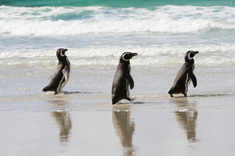
penguinsonbeach
 

It may help to build those minutes into your normal routine, so that you don't have something extra on top of all life's demands.
  • Walk to see a colleague at work instead of emailing them. 
  • Park further away than you normally do from your office buildling or the train platform. 
  • Get an excuse to go out at lunch, even just for 15 minutes
  • Walk around a shopping mall instead of window shopping
  • Walk around your house while the adverts are on between programmes 
Get motivated to start exercising
  1. Choose something you enjoy.  If you dread the thought of getting up at the crack of dawn to head to the local swimming pool & do your lengths, you're more likely to give it up.  Choose something you love and have fun at - you're more likely to be able to sustain it
  2. Choose something you can do with others who also need to keep fit or who want to boost their health.  Motivate each other!
  3. Pick a form of exercise which isn't going to cause you harm through over exertion, especially if you haven't exercised for a long time. Walking fits the bill perfectly for many returners to exercise.  Do too much exercise in a day, and it may put you off.
  4. Pick an activity which means that someone who really needs help is dependent on your making the effort to walk so that you don't want to let them down.  An example would be helping an elderly person with dog walking, or a friend who is recovering from surgery with pet care.  Go for a win-win situation - you get the exercise, they get the help they need, and the animal gets his or exercise too!  The Cinnamon Trust is always looking for reliable volunteers to help with pet care for the elderly
  5. Have variety!  If you love walking, why not join up with a friend or local walking group and spend a weekend or afternoon taking a stroll around a nature reserve?  Go to different places.  (RSPB Membership gives you access to 100 nature reserves, places of beauty & stunning scenery plus wildlife - places you wouldn't normally get to - plus the knowledge your membership is helping preserve such wonderful places.)
  6. Decide how you most want to benefit from exercise.  What is really behind this wish to be fitter, healthier or whatever it is you're aiming for?.
Keep track of what you're doing to motivate yourself. 

Many people with pedometers have found they are terrific little motivators, as they find themselves wanting to see the number of steps they are doing every day increase. The more you do, the more natural exercising & walking will feel to you.  Animals run & move naturally - they are doing it all the time.  They have to, if they are to survive.

As you feel yourself improving, you can start adding extra minutes, perhaps by retracing your steps and walking 20 steps back & then returning - add those minutes as you wish and as they suit.

Give yourself a reward for your progress!   Set yourself a target of being able to take part in a walking holiday, or wildlife tour - and aim to do sufficient exercise such that you'll be able to really enjoy the trip with your new found fitness, rather than struggling along at the back.  It can help you discover how much you've improved and progressed.

You can buy pedometers from:

Key things to do:
  1. Get appropriate fitwear for the exercise you're doing - a good sports shop should be able to advise you.
  2. Get a check up with your GP if you have a medical condition or if you haven't exercised for some time.
  3. Have fun.  It's important you enjoy what you're doing so that you look forward to it.   
  4. Don't overdo it. 
  5. Remind yourself regularly of the benefits of exercisewhich matter to you.
  6. Don't berate yourself if you miss out on a couple of days.  It doesn't mean you've failed.  Start afresh tomorrow.
Why animal activities can help you start exercising
  • When you're out with a dog, you may well find you're less conscious of what you look like - the dog takes some or all of the spotlight
  • You'll find you get talking to fellow animal lovers about your pets or pets of friends.
  • Animals never laugh at you for puffing & huffing up hills.  They just ask, "Where to next?"
  • You can enjoy places to walk such as nature reserves where you can stroll & stop regularly, enjoying the scenery and gentle healing peace nature brings
  • You can visit a wide variety of places
  • Walking is an ideal way to get started - and you don't have to do it for long
  • Animals can be great motivators.  People do things for their animals they wouldn't do for themselves.  A great example of this is with elderly people, who will put the heat on to keep their pets warm, or walk to the shops so that their pet doesn't go hungry, but wouldn't necessarily bother for themselves.  Animals have ways to push us out of our comfort zone & get us to do things we wouldn't ordinarily do.  (This comes with a health warning.  Make sure you're up to fitness standard for the activities you propose to take part in, e.g. sponsored treks, sponsored walks, sopnsored runs, etc etc)

More Get Active

Go to our Site Map   
  • Always consult with your GP before starting any new form of exercise
  • Note that animals are unpredictable - and they may not always want to be seen or found. We cannot guarantee how close you may or may not get to animals in specific programmes - common sense must prevail.
  • WASH YOUR HANDS after touching animals BEFORE eating or snacking. (It could be a good idea to take some antiseptic wipes or handwash with you, just in case loo facilities don't provide soap.) Do not let children put their fingers into their mouths or suck thumbs after touching animals - it's common sense!
  • The amount of contact you can have with animals varies from one place to another & one animal to another. Common sense must prevail.
  • Before you visit places, check that there are no current regulations/conditions which could mean that they are closed. Also check for opening hours.
  • Take your rubbish home with you, at animals' requests
  • Note our disclaimer - we cannot be held responsible for any injury, damage or otherwise to you or any third party as a result of your taking part in any activities on this site.
  • Note that we do not sell products or provide voluntary opportunities. Any product or service you may purchase is subject to the terms & conditions, disclaimers & policies of the companies selling them. We are simply referring you on & raising your awareness that such opportunities exist
  • This site is part of the  Animal Human Wellbeing family


Powered by Create